
Brightening a dark and gloomy home interior design can be a challenge when moving into a new space, especially if your new place lacks large windows to let in natural sunlight. Fortunately, there are several easy ways to decorate your home or office and transform it into a brighter abode.
Discovering the perfect level of lighting can be both challenging and fun, and it’s essential to almost every home interior design style. If you’re struggling to figure out how to brighten your bedroom, kitchen, or living room, we’ve got you covered with some awesome ideas.
1. Place mirrors near light sources
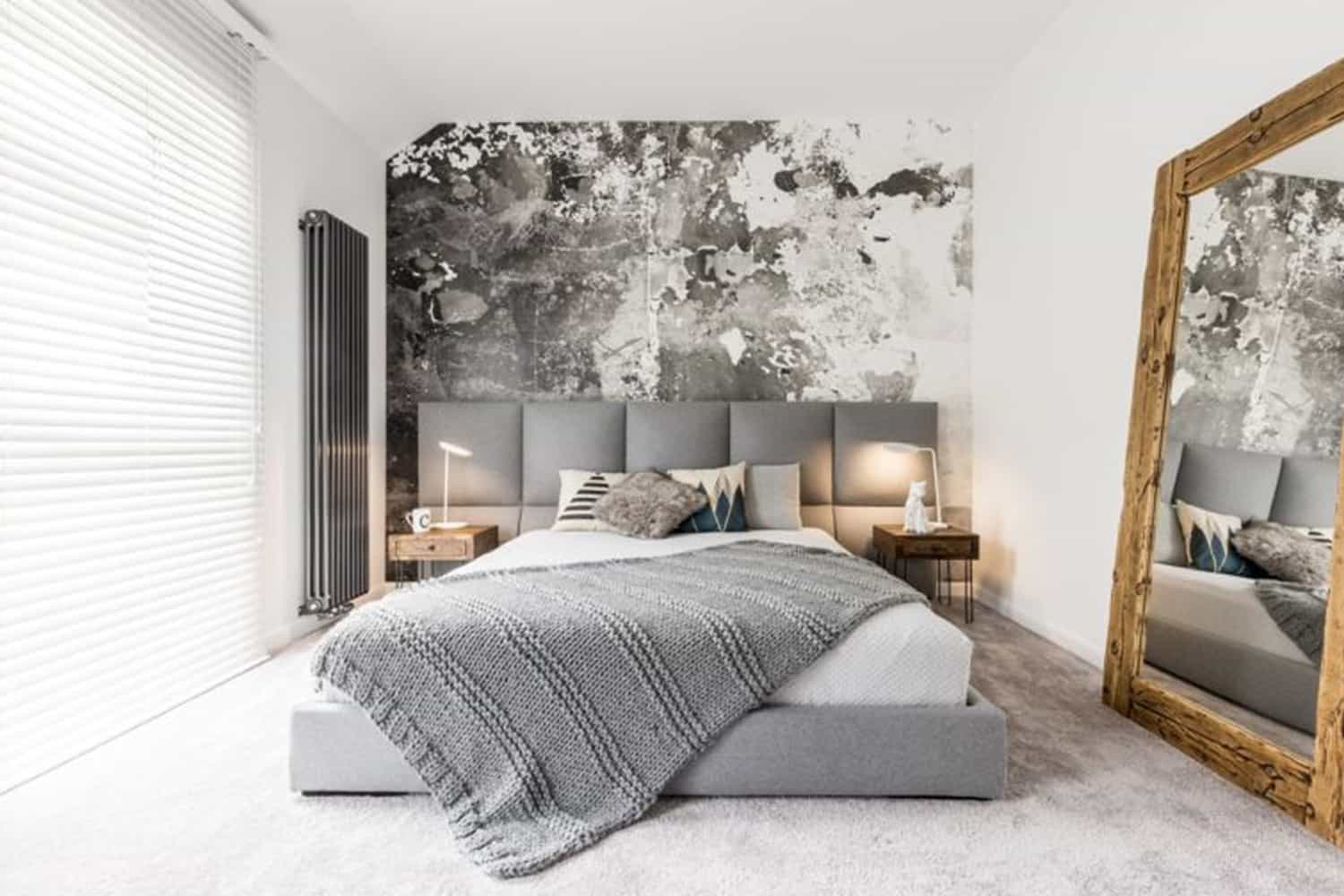
Using mirrors to expand visual space and brighten a dark room is a timeless design trick. To make the most of your mirrors, it’s crucial to place them strategically near a light source. For instance, positioning a large wall or floor mirror near a window can dramatically amplify natural lighting. The mirror’s reflection of the landscape from the window creates an illusion of extra space and acts as a pseudo-artwork, bouncing light throughout the room. This approach is particularly effective in small apartments where space is at a premium. Placing table lamps or a floor lamp next to a mirror can also produce a similar effect. However, for optimal results, ensure that the lamp emits ambient lighting rather than harsh specular lighting, which can be too intense when reflected off the mirror.
2. Fairy lights, candles, and other ambient light sources
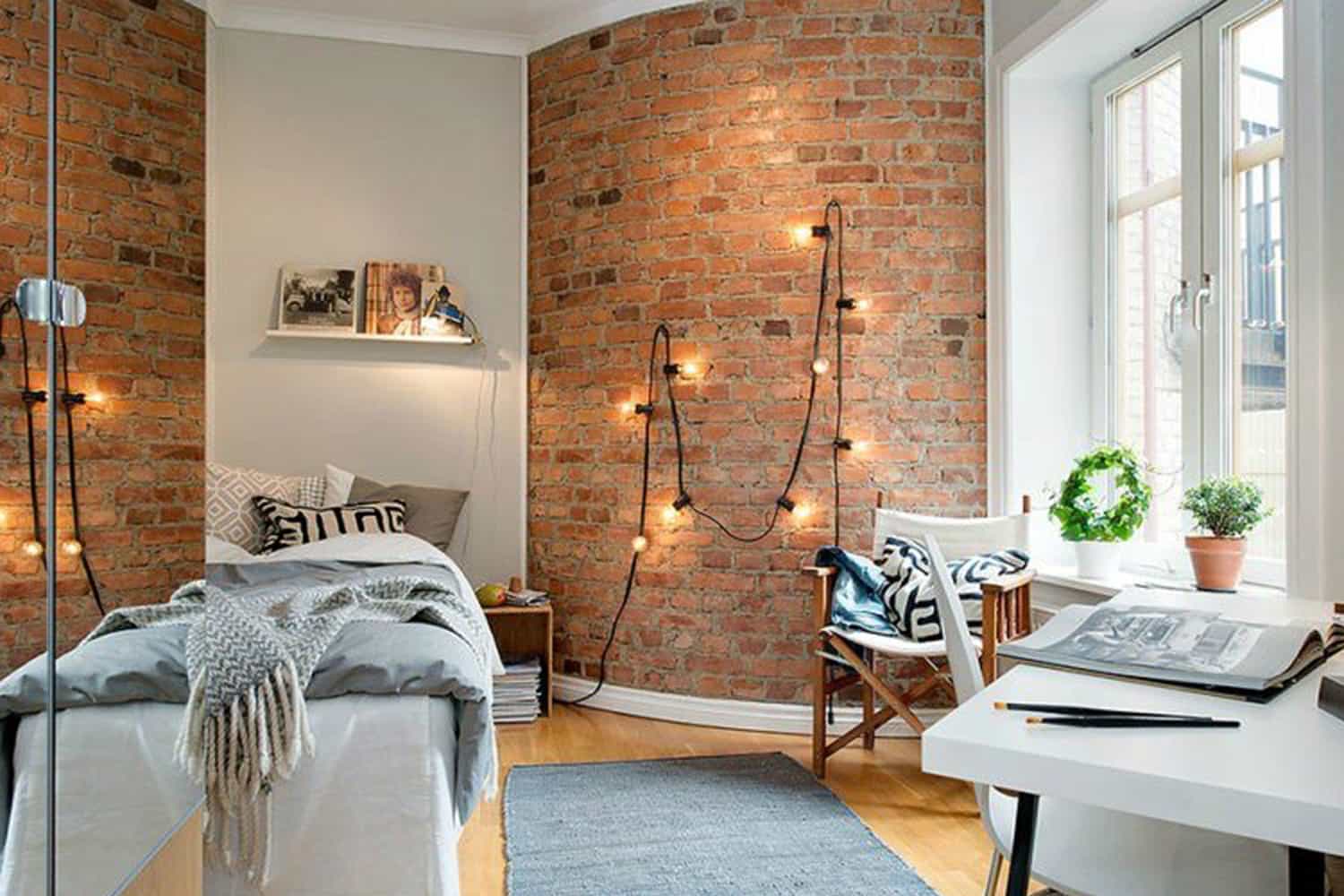
If you’re seeking to add a touch of warmth and ambiance without overwhelming your room’s luminosity, consider decorating with long strings of fairy lights, clusters of large candles, orb lights, or other ambient lighting sources. Not only will these elements add just the right amount of luminosity, but they’ll also infuse your space with charm and a therapeutic atmosphere. For best results, opt for warm, yellow lights that create an intimate, hygge-like ambiance that complements any decor style, even rugged industrial designs. Unlike mirrors, which only brighten a room when the sun is shining (unless you position them near a lamp source), candles and fairy lights can be switched on at any time of day to create a cozy glow. If using fairy lights, be aware that they may tint your room slightly amber or yellow, so consider whether that effect is right for your space before installing them.
3. Pick lighter color or transparent furniture
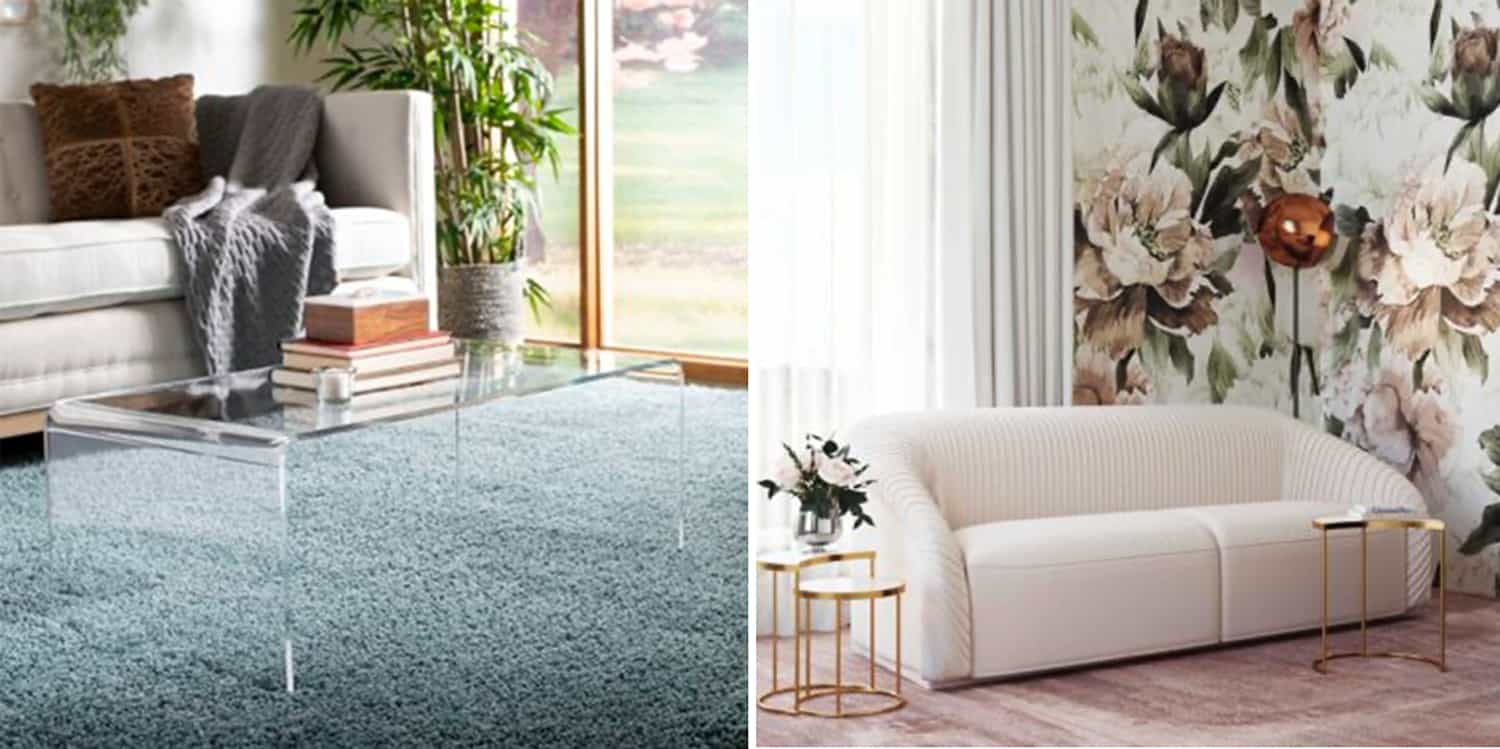
When choosing furniture for our homes, we tend to prioritize our personal style and preferences. However, it’s important to consider how our furniture choices can affect the lighting in the space. If you have a small and dim room, a large and dark-colored sofa or chair may not be the best option. Opt for a stylish and compact sofa in a lighter color, such as white, beige, or ivory, to create a more spacious and airy atmosphere. Similarly, in cramped and dark spaces, avoid using heavy and dark wood furniture pieces like tables, bed frames, or TV stands. Instead, go for lighter-toned pieces, like a transparent acrylic coffee table, that won’t weigh down the room. You can still incorporate patterns and textures with textiles like throw pillows, rugs, and wallpaper, just make sure they don’t overwhelm the space.
4. Cover floors with large, bright area rug
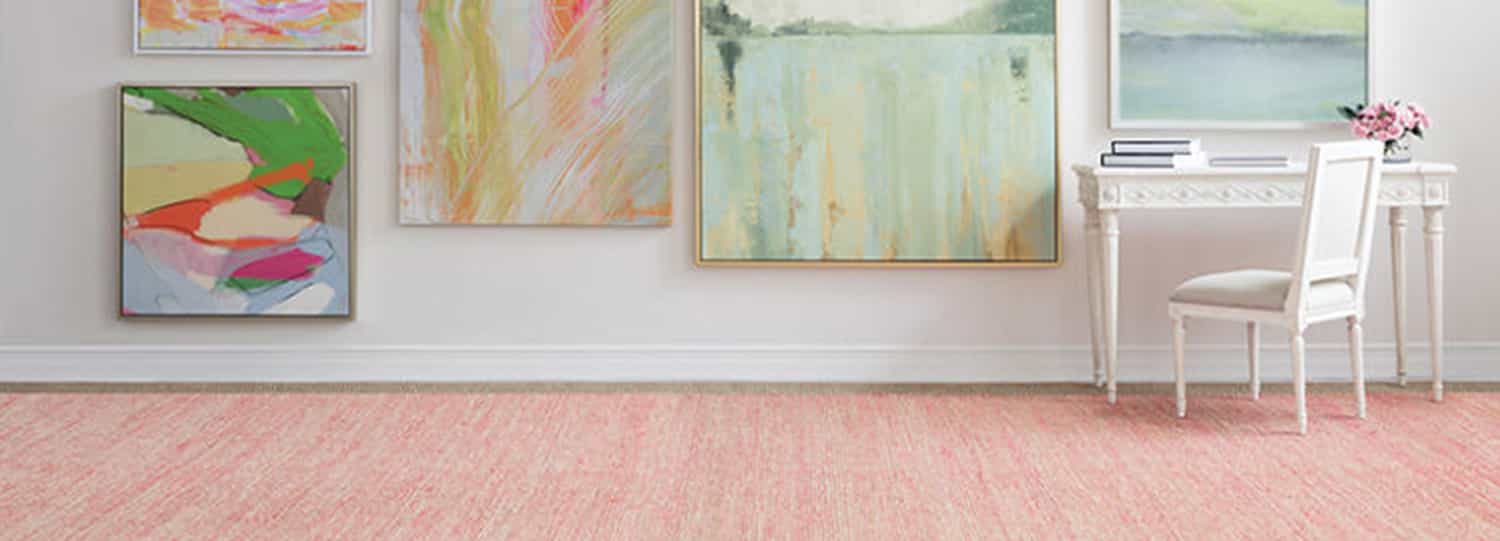
Brighten up your room by adding a lightly colored rug to your bare floors. Not only will this introduce some softness and texture, but it will also make your floors shine. This is particularly important if your space is dimly lit and has dark floorboards. When choosing a rug, consider shades of white, ivory, yellow, or other warm hues. Opting for the largest possible size is advisable, especially if your floors are dark. This is because a smaller rug, even in a lighter color, can create a strong contrast against the dark floorboards and make the space feel visually cluttered.
5. Embrace white walls
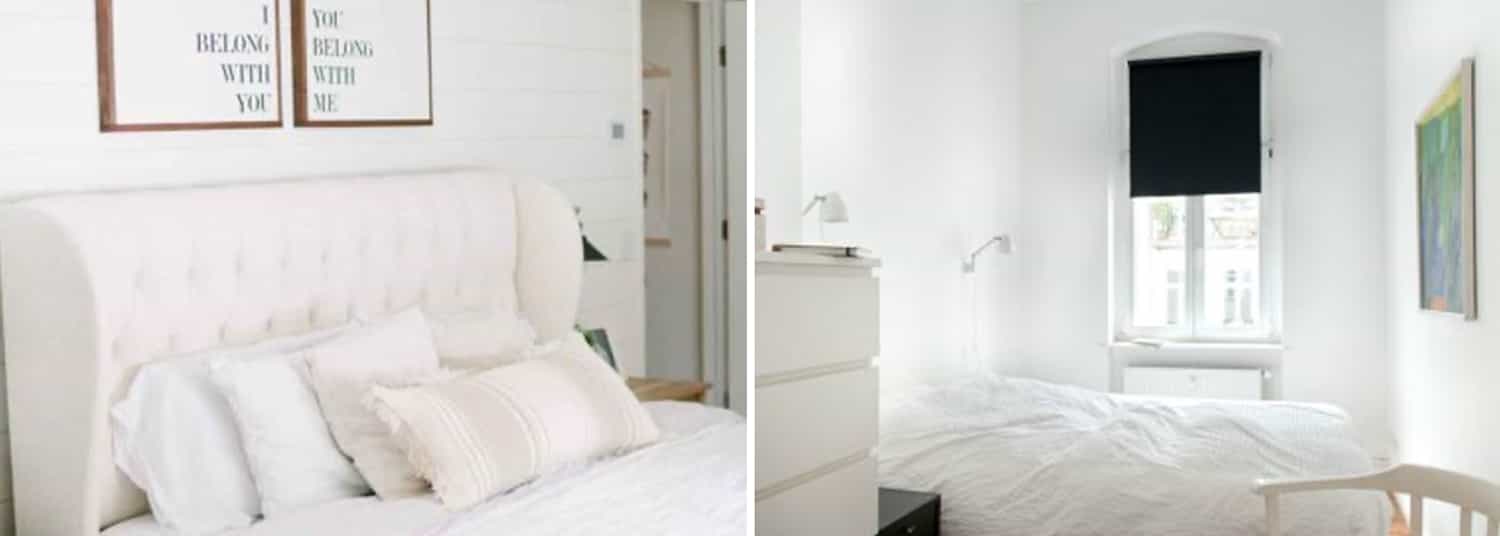
Brightening a dark room can be easily achieved with the color white. This classic color reflects light, making a space appear larger and brighter. If you find white to be too plain, consider adding ornamental trims to your ceiling or painting one wall with a refreshing color, or applying wallpaper for some diversity. Additionally, you can hang a giant mirror, tapestry, or artwork to express your personal style.
However, be careful not to overdo it with white as it can make a room feel stale or overly bright, especially in a bedroom where you want to relax and rest. To add some color complexity and depth, try incorporating darker colors through wall paint, furniture, or art. Redfin’s article on bedroom design ideas has some great tips on this topic.
6. Deep clean your windows
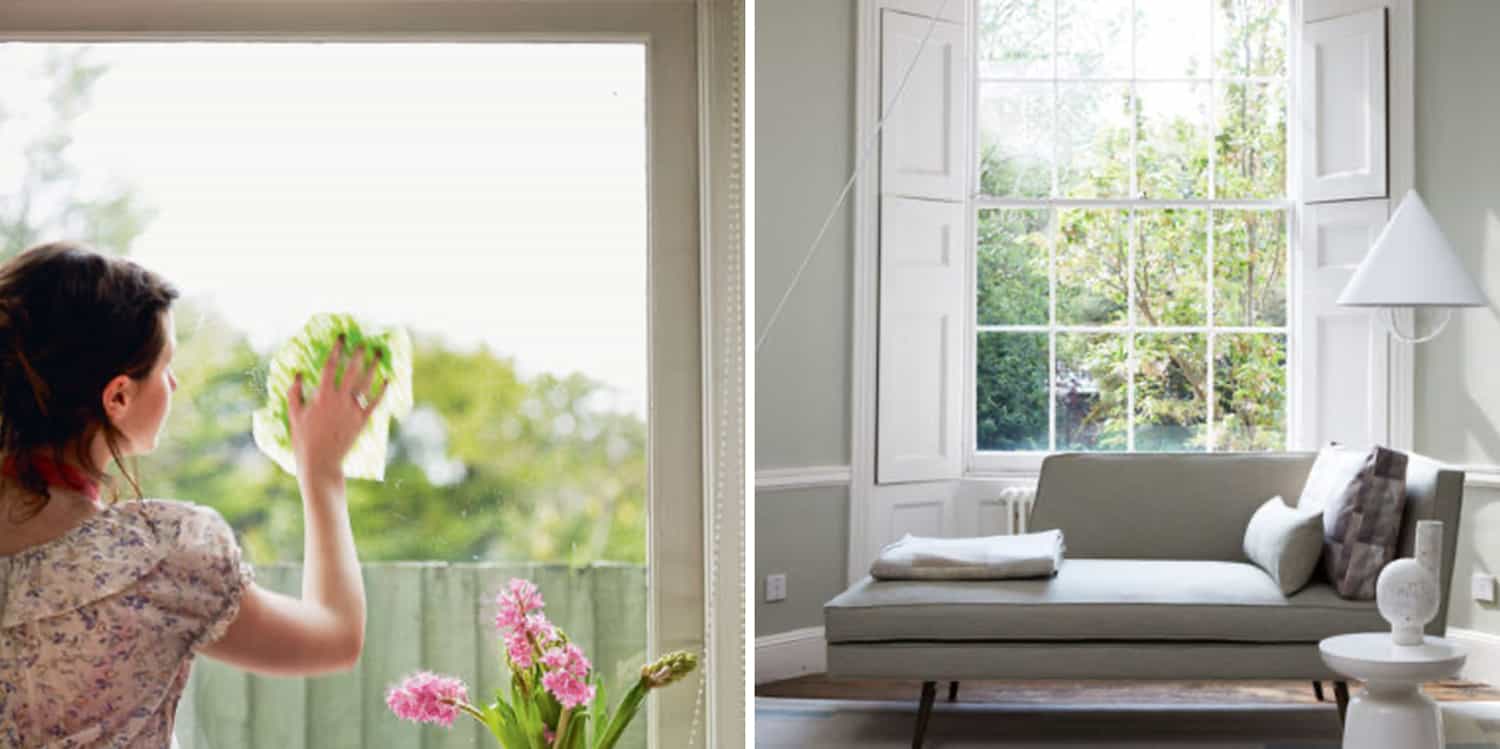
It’s a simple yet often overlooked tip: like wearing glasses with smudges, a room with stained windows can feel unclean and restrict the view. To breathe new life into your space, grab a quality glass cleaning agent and give those windows a thorough clean – inside and out. You’ll be amazed at how much natural light floods in, instantly revitalizing the room with a fresh and inviting feel.
The most stunning spaces often bask in the radiance of natural light. Not only does it make the area appear more expansive, but it also adds a multi-dimensional ambiance that shifts subtly from day to night. So, make the most of any windows you have and ensure they receive a deep clean at least once a year.
7. Opt for light beige/gray curtains
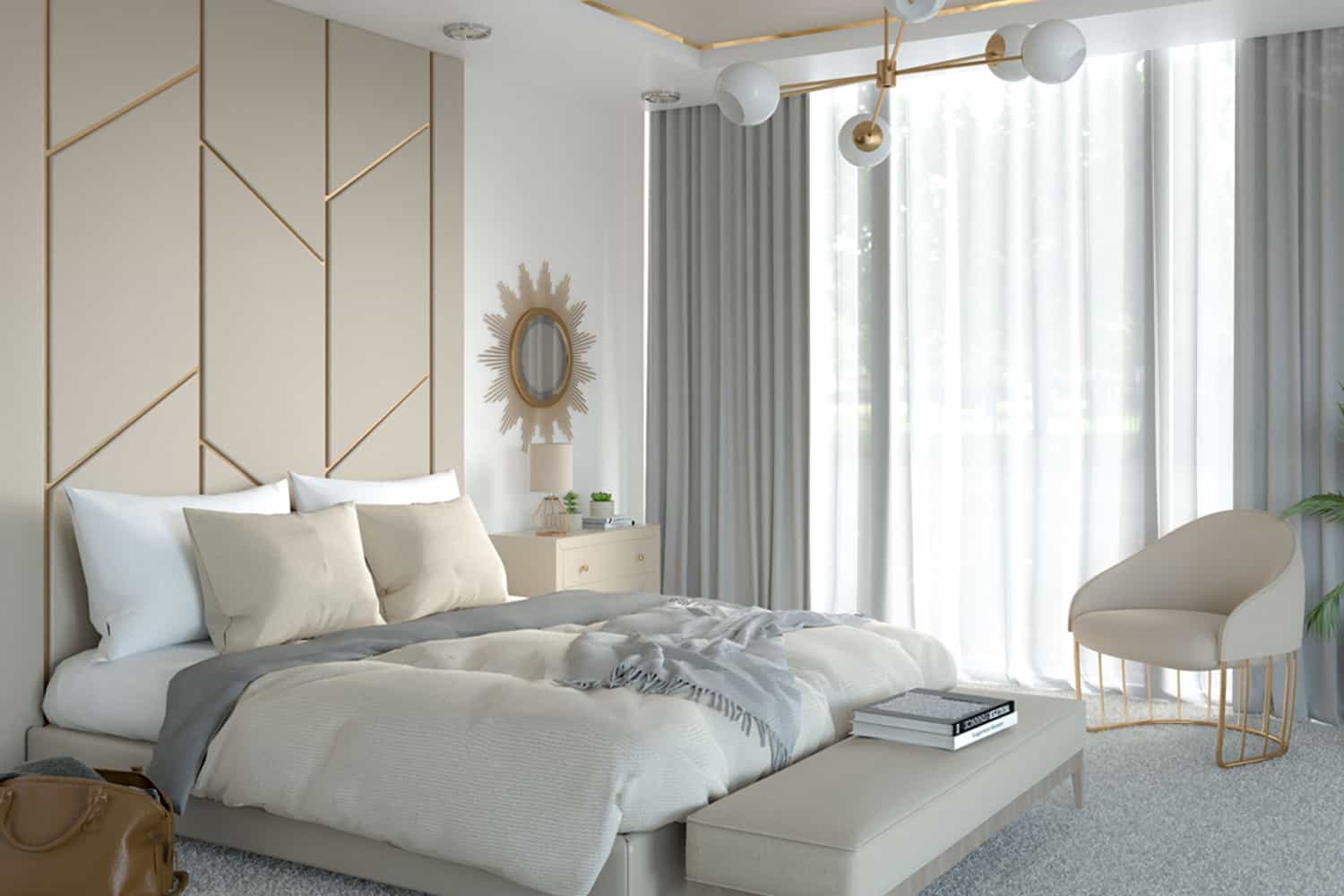
Consider enhancing your window aesthetic by keeping it simple with light-colored curtains. Whether you opt for blackout curtains or light drapes, choosing a shade of beige or light gray can complement any room’s decor. A good investment is IKEA’s MAJGULL, which provides a slight gray hue to any space while blocking out light effectively.
8. Pick minimalist, low-to-ground furniture
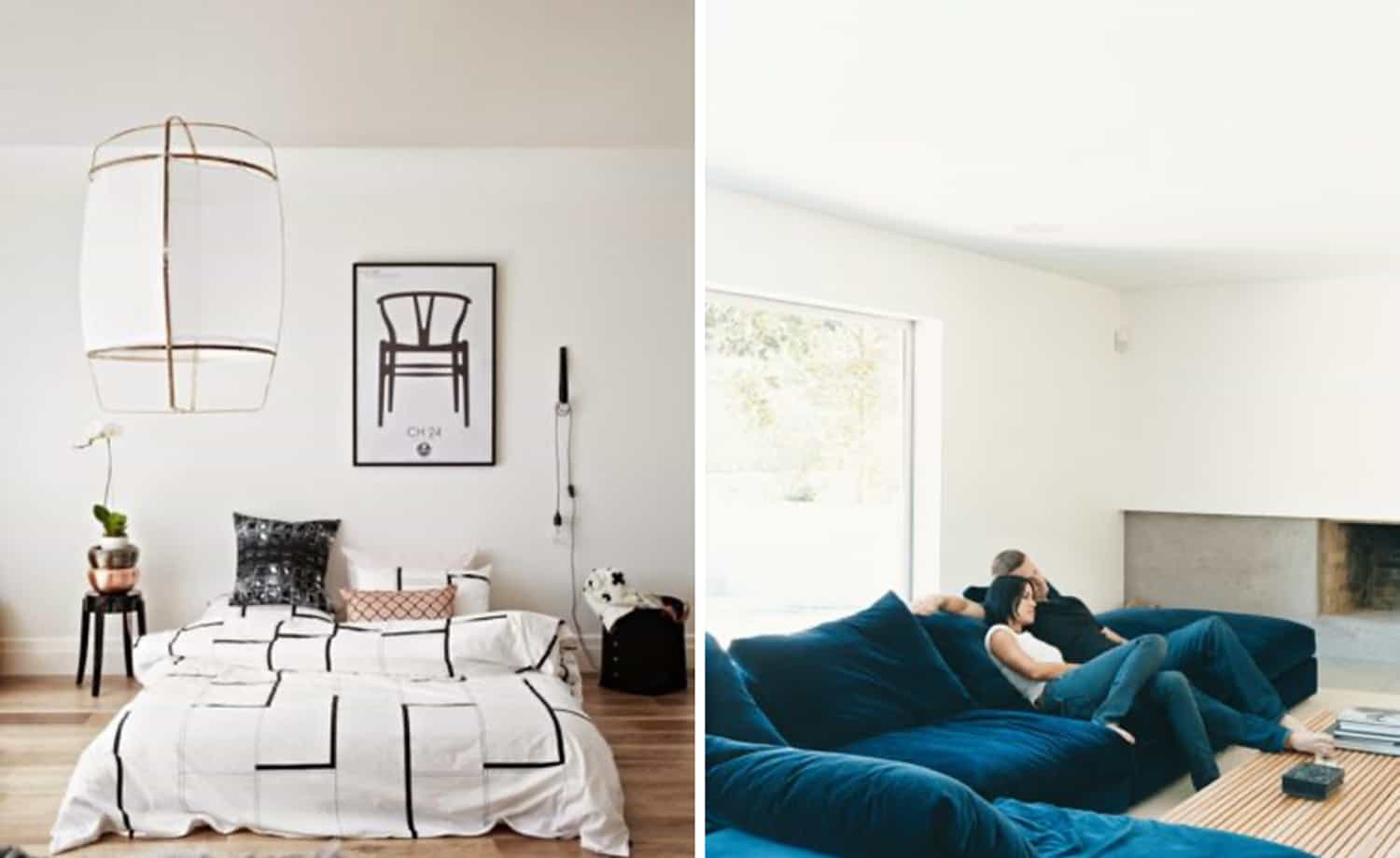
Optimize your dimly lit space by choosing furniture that is low to the ground and minimalist in design. Overly large pieces of furniture can cast shadows, making your space feel even darker. By keeping a maximum height for your furniture and ensuring that each piece falls below that height, you can create a more spacious and airy feeling in the room. Consider adding artwork and wall hangings to beautify the vertical space, and leave ample space between furniture pieces to maximize lighting opportunities. Mid-century modern design is a great example of how this philosophy can work wonders in a space.
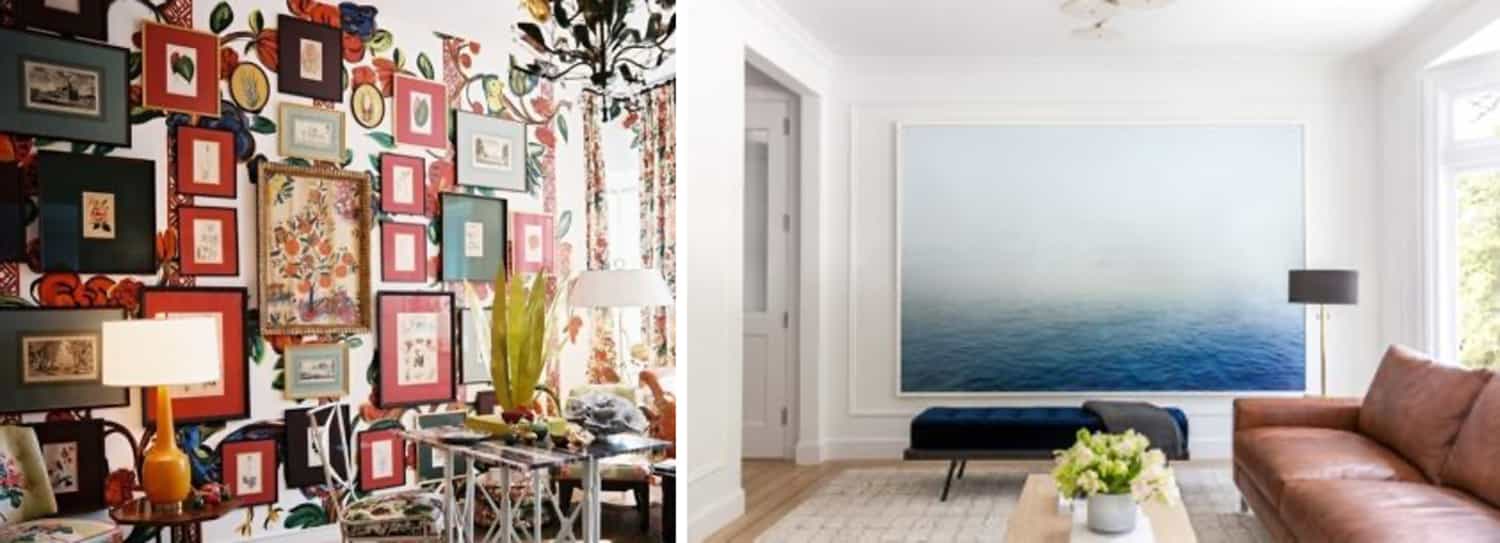
9. Don’t overdo it with wall art
New designers often make the mistake of trying to do too much, especially when it comes to decorative accessories like art. However, in a dimly lit room, less is more. Avoid cluttering your walls with too many pieces, as this can impede your efforts in brightening the space. Instead, choose a maximum of three items, such as a large wall mirror, a light tapestry or wall hanging, or a lightly-toned wall art that sets the mood. This will create a simple yet elegant look that enhances the natural light in your space.
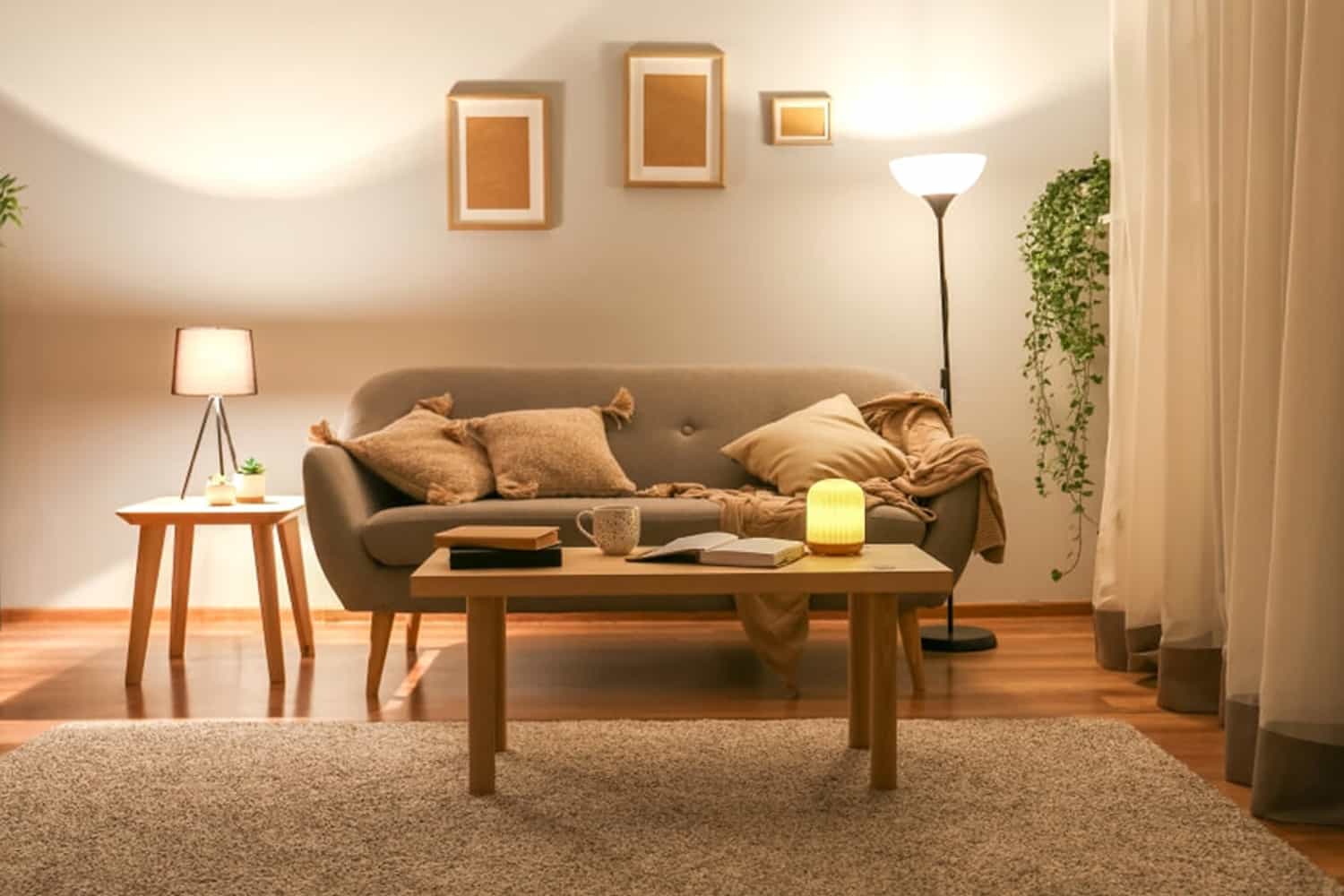
10. Aim your lights at the walls or ceiling
Enhance the ambiance of your space by shifting your focus from simply aiming lights in different directions to illuminating the walls or ceiling. Instead of bright lights focused on a narrow area on the floor or soft ambient lighting that offers minimal luminosity, try using wall sconces or torchiere floor lamps to wash the walls and ceiling with warm, inviting light. This technique creates a cozy yet spacious feel throughout every corner of the room. For a more sophisticated look, consider installing pot lights in your ceiling, adding a few at the edges to elegantly cast light down the walls.
Brightening up a dark room is a task that requires creativity and ingenuity. Don’t limit yourself to just using mirrors and white paint on every surface, as there are many ways to achieve a bright and inviting space. With the tips provided, you can make your room appear more spacious and cozy by infusing it with natural light, opting for minimalist furniture, and using light-colored rugs and curtains.